How to Care for Leather Products: The Complete Guide
Leather does not ask for much — but what it asks for matters. Done right, leather care takes ten minutes a year and keeps your goods looking better at ten years than they did at ten months.
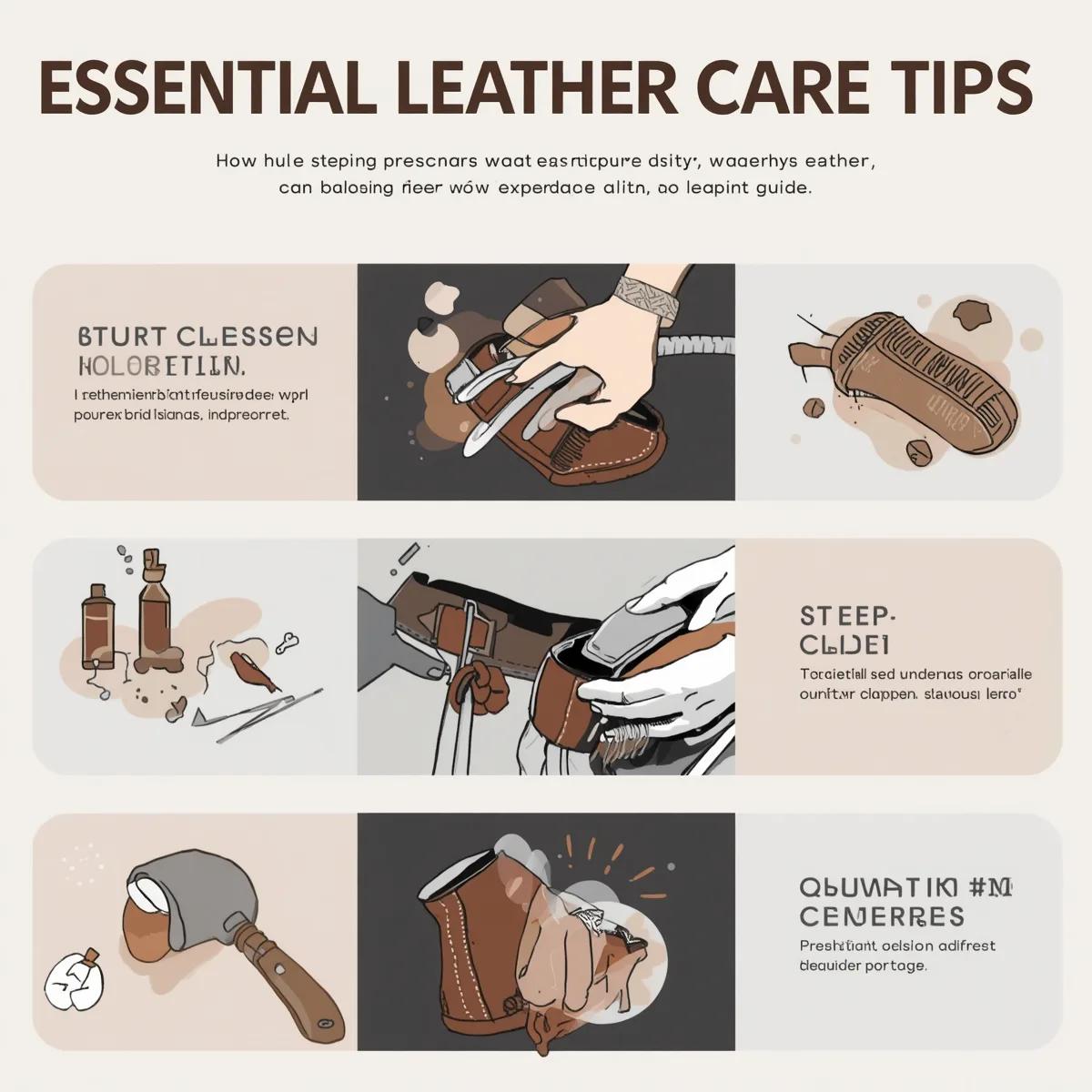
How to Care for Leather Products: The Complete Guide
Leather is not fragile. It survived on an animal through heat, cold, rain, and movement — it can handle your desk job. But it is organic, and organic materials respond to their environment.
What ruins most leather goods is not use — it is neglect followed by panic. Neglect dries the leather out. Panic leads to incorrect cleaning that strips whatever life remains.
This guide covers everything: routine care, crisis response, storage, and what to never do.
Understand What Leather Needs
Leather is essentially dried and treated skin. The tanning process stabilizes it and prevents decomposition, but it cannot prevent moisture loss. Over time, without intervention, leather dries out, becomes brittle, and cracks — starting at flex points like fold lines and corners.
The three enemies of leather are:
- Dryness — cracks the fibers
- Excess moisture — promotes mold, swells the fibers, causes watermarks
- Heat — accelerates drying, can warp and shrink the leather permanently
Everything in leather care is designed to manage these three things.
Routine Care: The Annual Rhythm
For most leather goods used daily, the maintenance schedule is simple:
- Every 3–6 months: Condition
- As needed: Clean surface dirt
- Once a year (or less): Full clean + condition
That is it. Leather is not a houseplant.
Step 1: Dry Dusting
Before cleaning or conditioning, remove surface dust with a soft, dry cloth — a microfiber cloth or an old T-shirt cut to a square. Work in small circles.
Do not skip this step. Rubbing dust particles into leather during cleaning acts like fine sandpaper.
Step 2: Cleaning
For light dirt and body oils (the most common issue on wallets and bag handles), a lightly dampened cloth is sufficient. Slightly damp — not wet. Wring the cloth until no water drips.
For heavier soiling, use a dedicated leather cleaner. Apply a small amount to the cloth — not directly to the leather. Work in sections and wipe clean with a dry cloth immediately after.
What leather cleaner to use: pH-neutral, no alcohol, no petroleum distillates. Saddle soap is effective for full-grain leather but can slightly darken the leather and dry out some finishes — use it sparingly and always condition afterward.
Step 3: Conditioning
Conditioner replenishes the oils that evaporate from leather over time. Without it, the fibers lose flexibility and eventually crack.
Apply a small amount of leather conditioner to a soft cloth and work it into the leather using circular motions. Use less than you think you need — a little goes a long way, and over-conditioning leaves the leather feeling greasy.
Leave it to absorb for 15–30 minutes, then buff with a clean dry cloth to remove any excess.
What conditioner to use: Beeswax-based conditioners are excellent for most leathers. Neatsfoot oil is traditional and effective but can darken leather noticeably. If color retention matters, test on an inconspicuous area first.
How often: Once every three to six months for items in daily use. In dry climates or air-conditioned environments, condition more frequently.
Water and Rain: What to Do
Leather and water are not enemies. What damages leather is water drying too fast (especially with heat), or sitting wet too long.
If your leather gets wet:
- Blot — do not rub. Use a clean, dry cloth to absorb as much surface water as possible.
- Reshape. Stuff it with paper or a clean cloth to help it hold its shape while drying.
- Dry at room temperature. Away from radiators, hair dryers, direct sunlight, or any heat source.
- Condition once fully dry. The drying process removes moisture from the fibers. Conditioning restores it.
Water stains: Wet the entire surface evenly (with a barely damp cloth) and allow it to dry uniformly. This resets the moisture distribution. Condition afterward.
Scratches and Scuffs
Light surface scratches on full-grain leather often self-heal. The natural oils in the leather migrate to fill minor surface breaks.
For minor scratches:
- Rub gently with a clean finger. Body heat and the natural oils from your skin are often enough.
- If that does not work, apply a tiny amount of conditioner directly to the scratch and work it in gently with a fingertip.
- Allow to absorb. The scratch will usually fade significantly.
For deeper scratches: The same process, but accept that some depth will remain. This becomes part of the patina — evidence of use — rather than damage.
Mold and Mildew
Mold grows on leather stored in humid, unventilated conditions.
To treat mold:
- Take the item outside or to a well-ventilated area.
- Using a dry cloth, brush off as much visible mold as possible.
- Wipe down with a cloth dampened with a 1:1 mix of white vinegar and water. Vinegar kills mold spores without damaging leather.
- Allow to dry completely — at least 24 hours.
- Condition.
To prevent mold: Store leather in breathable containers (cloth dust bags, not plastic). Never store leather while damp.
Heat and Sunlight
Heat dries leather rapidly and can cause permanent warping and shrinkage. Keep leather away from: radiators, car dashboards in summer, direct oven or fire exposure, hair dryers on high heat.
Sunlight fades leather unevenly. Even indirect bright light over months will cause visible fading on items that sit in one position.
Storage
Long-term storage:
- Clean and condition before storing
- Stuff bags and structured items to hold their shape
- Store in a breathable dust bag or pillowcase — not a plastic bag or airtight container
- Keep away from heat sources
- Do not use newspaper for stuffing — the ink transfers to leather, especially lighter colors. Use plain white paper or a clean cloth.
Product-Specific Notes
Wallets: The fold line gets the most stress. Condition this area first and most thoroughly.
Bags and Totes: Empty the bag before conditioning. Pay extra attention to handles and corners — these areas take the most abrasion.
Laptop and Device Sleeves: The inside lining usually cannot be conditioned. Focus entirely on the exterior. Check the fold at the opening — this is where cracking starts if the leather is neglected.
Desk Mats: Wipe down weekly with a barely damp cloth. Condition every three to four months.
Jewelry and Small Boxes: The exterior leather needs occasional conditioning. The interior lining (usually velvet or suede) should be kept dry — use a lint roller or soft brush, not a damp cloth.
What to Never Do
Baby wipes: Contain alcohol and surfactants that strip leather oils. They feel like they clean, but they damage the surface over time.
Alcohol: Dissolves the protective finish on most leathers.
Petroleum-based products (petrol, mineral spirits, nail polish remover): These dissolve adhesives and can permanently alter the color and texture of leather.
Dishwashing liquid or household detergents: Too alkaline. They break down the leather's natural oils and the tanning agents that keep it stable.
Tumble dryers or washing machines: Mechanical agitation and heat destroy leather.
Plastic bags for storage: Traps humidity and promotes mold. Always use breathable fabric for storage.
Newspaper for stuffing: The ink transfers to leather, especially lighter colors. Use plain white paper instead.
The Short Version
If you do nothing else:
- Keep it dry. Blot water immediately, dry at room temperature, never with heat.
- Condition twice a year. Ten minutes. A small amount of beeswax conditioner. Done.
- Store it breathing. Cloth bag, not plastic. Away from heat and sunlight.
- Use it. Leather that is handled regularly stays more supple than leather that sits unused. Your hands condition it.
That is the whole system. Everything else is details.
Wafaa leather goods are made from full-grain vegetable-tanned leather. Each product ships with a leather care card. If you have questions about caring for a specific Wafaa piece, reach out — we know our materials.